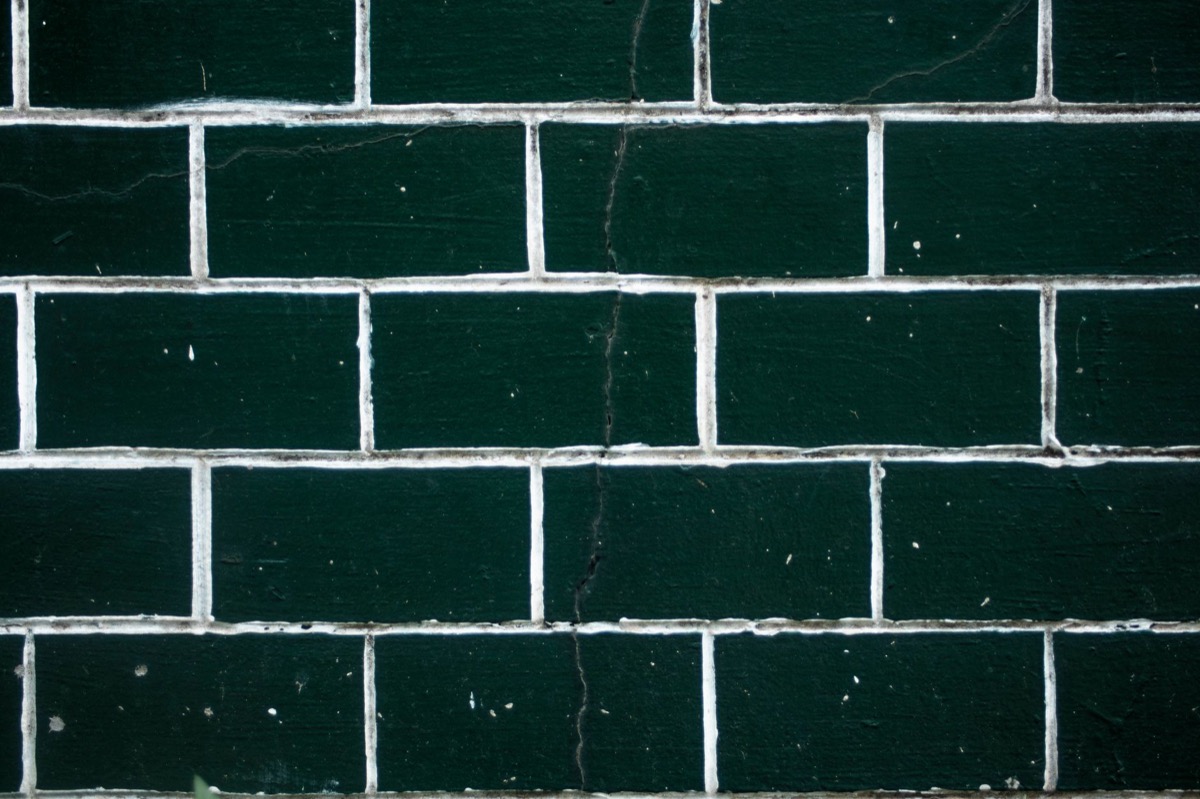
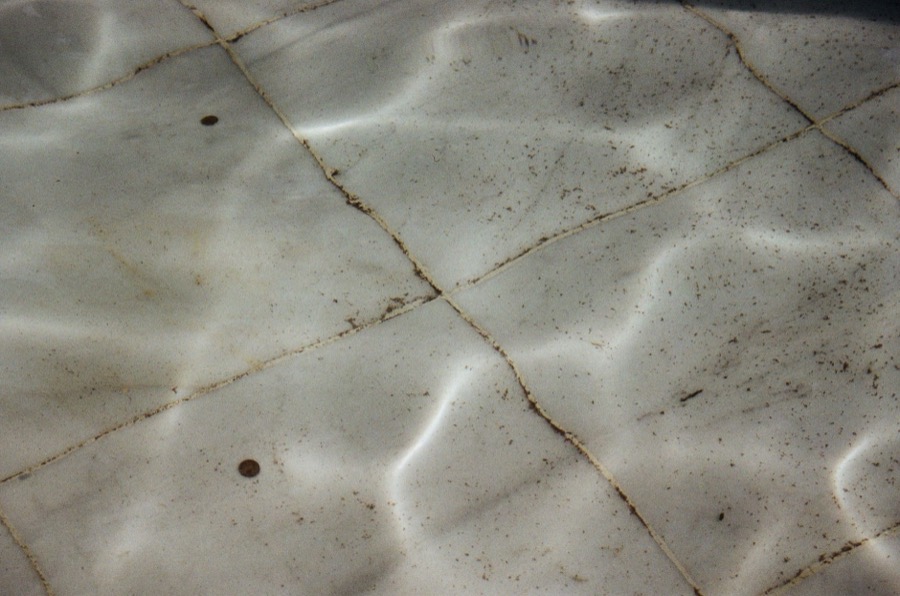
Tile grout is cracking
Understanding Why Tile Grout Cracks
Cracked tile grout is a common and frustrating issue that can detract from the appearance of your tiled surfaces and potentially lead to further damage. While grout is designed to be durable, several factors can contribute to its cracking over time.
One of the primary reasons for grout cracking is movement within the tile installation. This movement can originate from an uneven substrate, where the underlying surface isn't perfectly flat. When tiles are installed over an uneven substrate using the thinset method, the resulting surface may not meet lippage standards, which are variations in the height of adjoining tiles. This unevenness can put stress on the grout lines, leading to cracks.
The Role of Lippage in Grout Failure
Lippage, defined as differences in elevation between the edges of adjacent tile modules, can be a significant contributor to grout cracking. The ANSI standard A108.02, Section 4.3.7, outlines acceptable variations in tile height. However, the perception and impact of lippage are influenced by several factors, including the inherent thickness variation and warpage of the tiles themselves, the spacing between them, and even the lighting conditions and reflectivity of the tile surface.
When there's significant lippage, the edges of adjacent tiles are not flush. This creates uneven pressure points along the grout lines. Over time, especially with foot traffic or temperature fluctuations, these stresses can cause the grout to fracture and crack.
Preventing Grout Cracking for a Lasting Installation
To avoid cracked grout, proper installation techniques are paramount. Ensuring a level and stable substrate is the first critical step. If the substrate is uneven, it can lead to lippage and subsequent grout failure. Proper tile spacing and the use of appropriate setting materials also play a vital role in creating a robust and long-lasting tile installation.
Understanding the factors that contribute to lippage and addressing them during the installation process can help prevent grout cracking. For those planning a tiling project, accurately estimating the amount of tile and setting materials needed is essential. You can easily determine your project's requirements with our free tile materials calculator at /.
Key takeaways
- Uneven substrates and resulting lippage are major causes of tile grout cracking.
- Proper installation techniques, including substrate preparation and tile spacing, are crucial for preventing grout failure.
- Use the free tile materials calculator at / to ensure you have the right amount of materials for your project.
Related tools
Estimate materials with our free tile materials calculator on TileMaterials.