Choosing the Right Tile Adhesive for Your Project
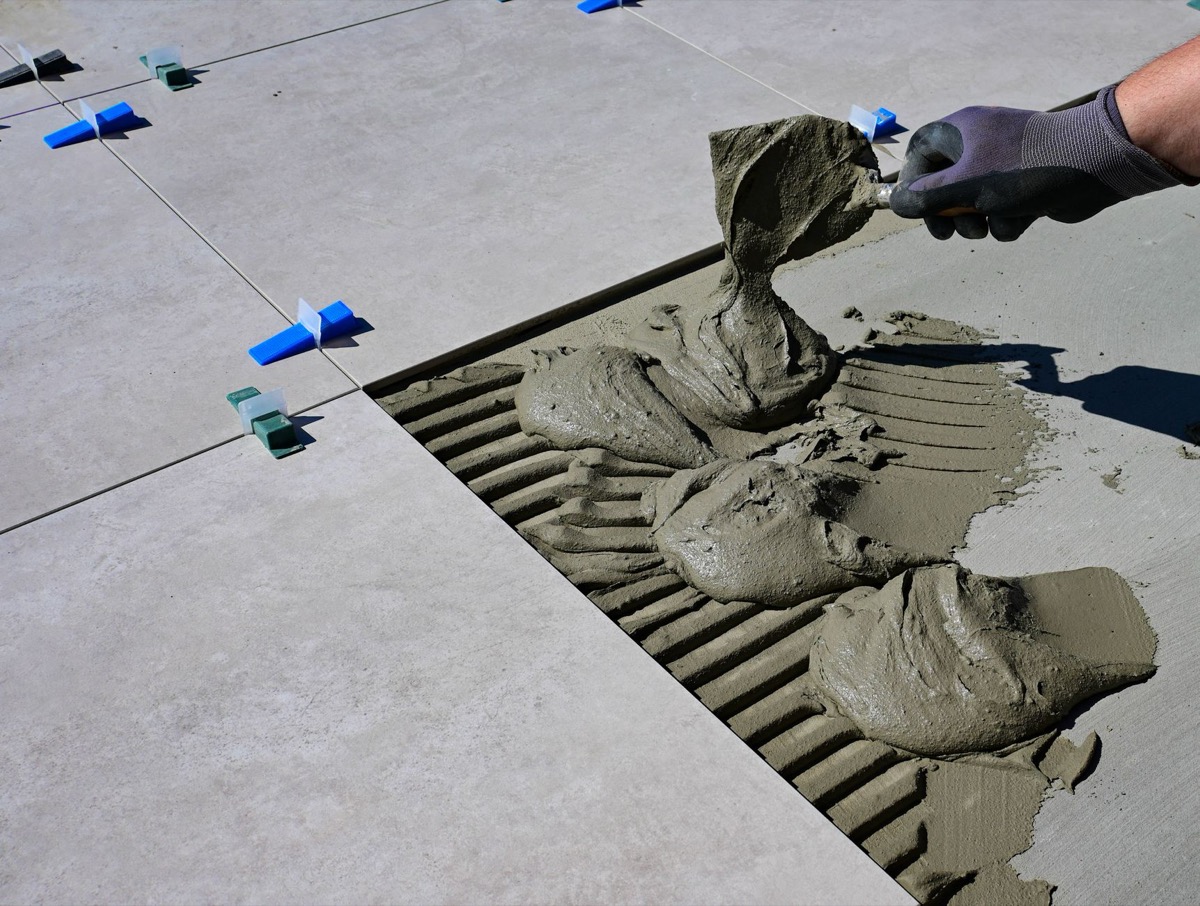
Recently, the construction industry highlighted the importance of skill and precision in tiling, as seen with the inaugural Tile Adhesive Competition in Cambodia, celebrating excellence in craftsmanship. This event underscores a fundamental truth: a tile project's success often begins with selecting the right adhesive. While skilled application is key, the adhesive itself forms the critical bond that ensures longevity and performance.
Choosing the correct tile adhesive, often referred to as tile mortar, is more than a minor detail; it's a foundational decision that impacts durability, appearance, and the overall lifespan of your tiled surface. With various options available, understanding their properties and suitable applications is crucial for any DIYer or professional.
Understanding the Main Types of Tile Adhesives
When you're ready to tackle a tiling project, you'll primarily encounter two broad categories of tile adhesives, each with distinct properties and best uses.
- Cement-Based Mortars (Thin-set Mortars): These are powdered mixtures of cement, sand, and other additives that are mixed with water or a latex additive before use. They create a strong, rigid bond and are suitable for a wide range of tiles and substrates. Thin-set mortars are the go-to choice for most permanent tile installations, especially in wet areas or outdoors.
- Organic Adhesives (Mastic): Often sold pre-mixed in a tub, these are acrylic or latex-based adhesives. Mastic is typically easier to work with, offering a longer open time (the time before the adhesive skins over and becomes unusable). However, mastic generally provides a less rigid bond than cement-based mortars and is usually recommended for interior, dry applications with smaller tiles, such as ceramic or non-vitreous tiles. It's not typically recommended for large format tiles, wet areas, or heavy traffic floors.
- Epoxy Mortars: While less common for general tiling, epoxy mortars offer exceptional chemical resistance, bond strength, and impermeability. They are typically used in industrial settings, commercial kitchens, or areas requiring maximum stain and chemical protection. They consist of a resin and hardener that are mixed together just before application.
Key Factors for Choosing the Best Tile Adhesive
Selecting the right adhesive involves weighing several critical factors:
- Tile Type:
- Ceramic and Porcelain Tiles: These require strong adhesion. Porcelain, being denser and less porous, often benefits from modified thin-set mortars.
- Natural Stone (Marble, Granite, Travertine): Many natural stones are sensitive to moisture and can stain or warp. White thin-set is often preferred to prevent discoloration, and specific mortars designed for natural stone may be necessary.
- Large Format Tiles: Tiles with at least one edge 15 inches or longer (or exceeding 15"x15") require a special type of cement-based mortar known as a medium-bed mortar, or Large and Heavy Tile (LHT) mortar. These adhesives prevent lippage and provide better support under the tile, which is crucial for a flat finish. You can estimate your needs for these specialized mortars using our Thinset Calculator for Large Format Tile.
- Substrate (Surface Beneath the Tile):
- Concrete: A common, stable substrate that typically accepts most cement-based thin-set mortars.
- Plywood or OSB: These wood-based substrates require a flexible, modified thin-set mortar to accommodate movement. Often, a layer of cement backer board is installed over wood subfloors for added stability and moisture resistance before tiling.
- Cement Backer Board: An ideal substrate for tiling, providing a stable, water-resistant surface. Unmodified thin-set can often be used to bond tiles to backer board, though modified thin-set offers enhanced performance.
- Location and Environment:
- Indoor, Dry Areas: Mastic can be considered for smaller, non-vitreous wall tiles. However, thin-set offers superior long-term durability for floors and most walls.
- Wet Areas (Bathrooms, Showers): Modified thin-set mortars are essential for their enhanced water resistance and stronger bond in damp environments. Epoxy mortars are also an option for extreme moisture or chemical exposure.
- Outdoor Areas: Always use a modified thin-set mortar designed for exterior use. These offer the necessary freeze-thaw stability and bond strength to withstand outdoor conditions.
- Performance Requirements: Consider factors like drying time (some fast-setting mortars allow for quicker grouting), flexibility (important for areas with slight movement), and bond strength.
Unmodified vs. Modified Thin-set Mortars
When opting for cement-based thin-set, you'll encounter two primary types:
- Unmodified Thin-set Mortar: This is a basic blend of cement, sand, and lime, mixed with water. It offers a strong, rigid bond. It's often suitable for bonding tiles to cement backer board or concrete in dry areas.
- Modified Thin-set Mortar: This type contains polymers (latex or acrylic) mixed into the dry powder, which enhance its properties when water is added. These polymers improve adhesion, flexibility, and moisture resistance, making modified thin-set ideal for porcelain tiles, natural stone, installations over plywood (with backer board), wet areas, and outdoor applications. Some manufacturers also offer liquid latex additives to mix with unmodified thin-set, effectively creating a modified mortar, but pre-modified products offer consistent formulation. The Tile Council of North America (TCNA) provides detailed guidelines on the appropriate use of different mortar types for various installations.
Thinset coverage by trowel notch size
Key Takeaways
- Cement-based (thin-set) mortars are ideal for most permanent tile installations, especially in wet or outdoor areas.
- Organic mastic is best suited for interior, dry, light-duty wall applications with smaller, non-vitreous tiles.
- Always match your adhesive to your specific tile type (e.g., LHT mortar for large format tiles) and substrate for optimal performance.
- Modified thin-set mortars offer enhanced flexibility, adhesion, and moisture resistance, making them suitable for demanding environments.
- Consider the location (wet, dry, indoor, outdoor) and performance requirements (drying time, flexibility) when making your selection.
Try It Yourself — Free
Understanding these distinctions is crucial for a successful and lasting tile project. To ensure you have just the right amount of adhesive, use our free tile materials calculator. For specific needs, check out our Thinset Calculator for Large Format Tile to accurately estimate your mortar requirements.
Related Resources
- Backer Board Calculator
- Grout Calculator 12x12 Tile
- Grout Calculator Mosaic Tile
- Grout Calculator Subway Tile
More From Our Network
- Duct Size Calculator — same niche
- cyberfrad — our network
Sources
- Construction & Property News — Original report
- Construction & Property News — Sika Cambodia Celebrates Excellence in Craftsmanship at Inaugural Tile Adhesive Competition - Construction & Property News