Lippage on tile
Maximum Allowable Tile Lippage
This Grouting Mistake will Ruin Your Tile Job via Home RenoVision DIY
What is Lippage on Tile?
Lippage refers to the difference in height between the edges of adjacent tiles. This can create an uneven surface, posing a potential hazard and affecting the aesthetic of the tiled area.
It is a common concern in tile installations and can occur with various types of tiles and installation methods.
Causes of Tile Lippage
Several factors can contribute to lippage. These include variations in tile thickness, uneven subfloors, improper tile leveling during installation, and the use of incorrect setting materials.
The type of tile itself can also play a role; some tiles may have inherent edge variations that make them more prone to lippage if not managed carefully during installation.
Preventing Lippage
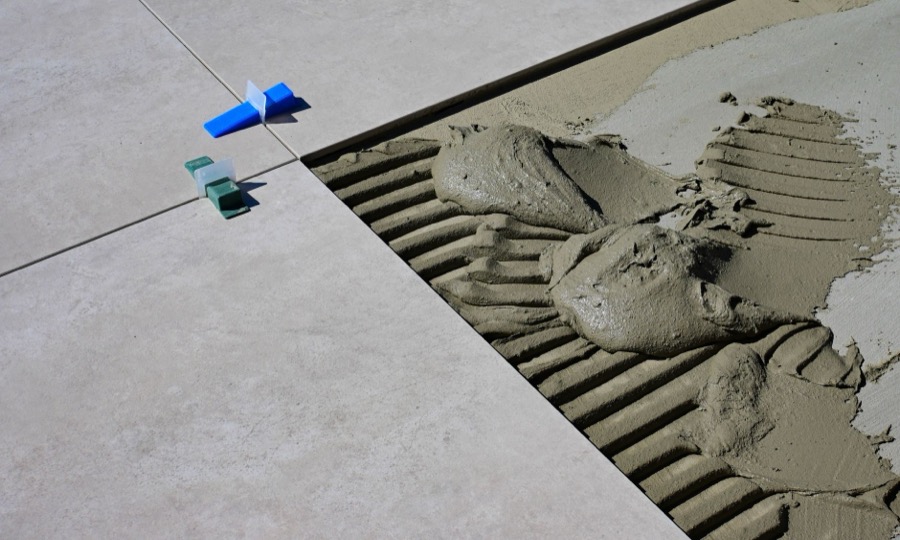
Preventing lippage involves careful planning and execution during the tiling process. Ensuring the subfloor is level and using a quality tile leveling system are crucial steps.
Properly mixing and applying tile adhesive, along with consistent grout joint widths, also helps to maintain an even tile surface. For projects requiring precise material calculations, a tile materials calculator can be a valuable tool.
Grout and its Role
Grout is a dense substance used to fill gaps between tiles, forming a water-resistant seal when correctly applied. It is typically a mixture of water, cement, and sand.
While grout fills the spaces, it does not directly address the height differences between tiles, which is the definition of lippage. Proper installation techniques are key to preventing lippage before grout is applied.
Key takeaways
- Lippage is the difference in height between adjacent tile edges, creating an uneven surface.
- Causes include tile variations, uneven subfloors, and installation errors.
- Prevention involves leveling the subfloor, using leveling systems, and proper adhesive application.
- Grout fills gaps but does not correct tile height differences; installation technique is paramount.
Related tools
Estimate materials with our tile materials calculator on TileMaterials.