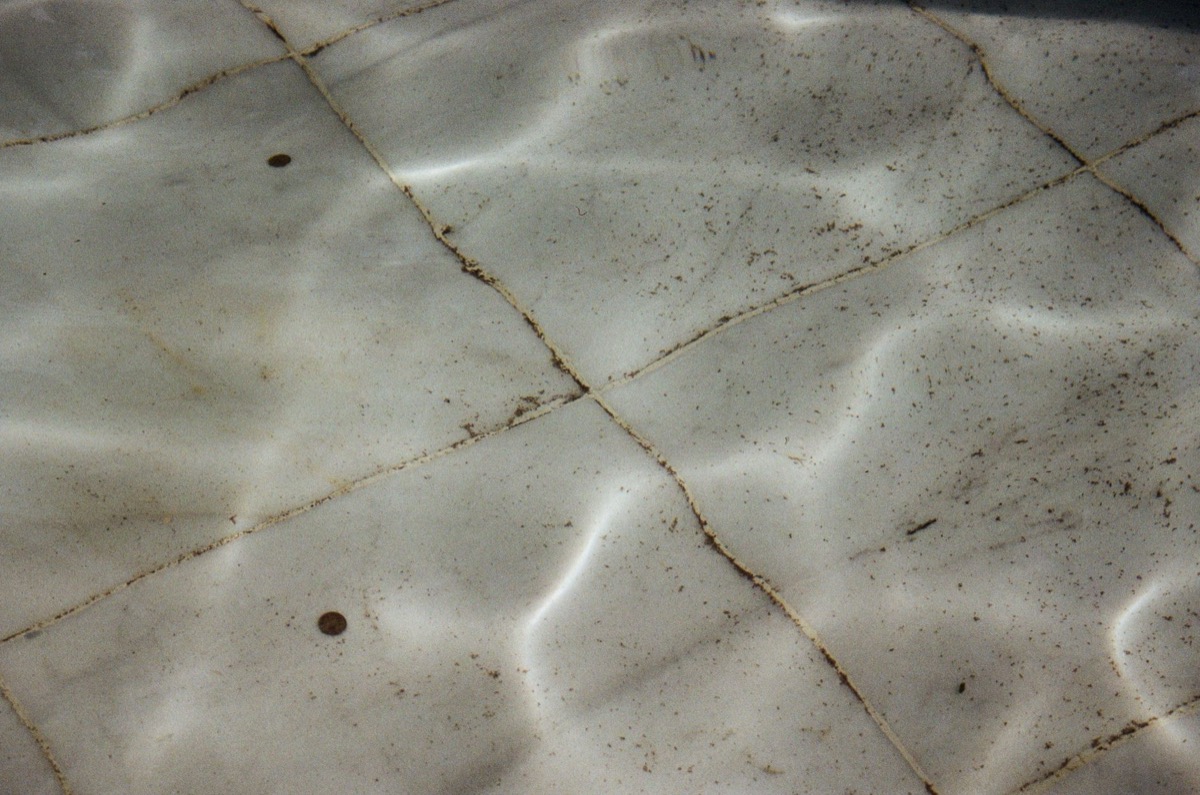
Grout on floor tiles cracking
Understanding Tile Lippage
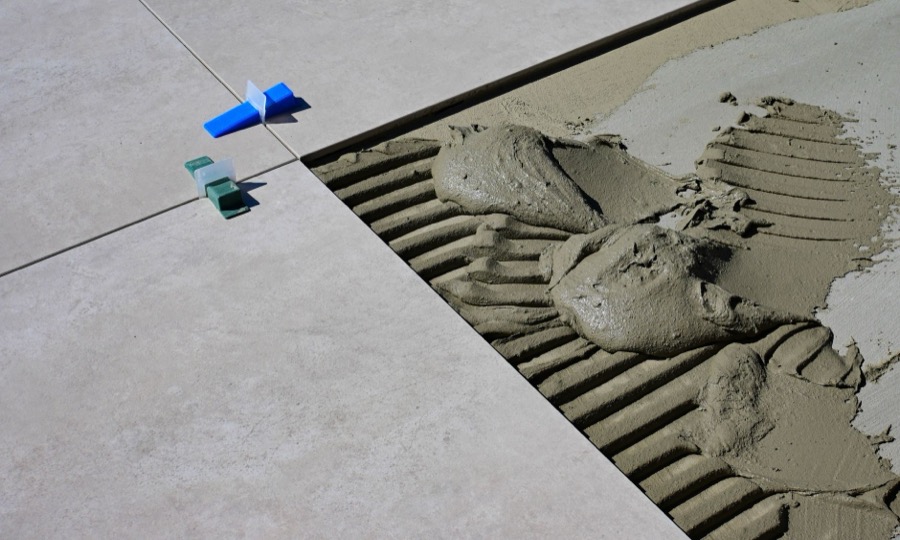
Lippage refers to differences in the height between the edges of adjacent tile modules. This variation is defined in the ANSI standard A108.02, Section 4.3.7.
Several factors can influence the perception of lippage. These include allowable tile thickness variations, tile warpage, and the spacing between tiles.
Factors Affecting Lippage
The angle of natural or manufactured light can accentuate otherwise acceptable variances in tile modules. Highly reflective tile surfaces can also make these variances more noticeable.
Variations in the plane of the substrate can also affect lippage. When tile is installed using the thinset method over an uneven substrate, the installed surface may not meet lippage standards.
Tile Warpage and Installation
The ANSI A137.1 standard defines the allowable warpage for tiles. Warpage refers to the degree to which a tile deviates from being perfectly flat.
Issues with the substrate or tile warpage can contribute to grout line problems. For accurate material estimates for your project, consider using the free tile materials calculator.
Key takeaways
- Lippage is the difference in height between adjacent tiles, influenced by tile warpage, substrate flatness, and lighting.
- Uneven substrates can lead to lippage and potential issues with grout lines.
- Refer to ANSI standards for acceptable tile variations and installation practices.
Related tools
Estimate materials with our free tile materials calculator on TileMaterials.